

Last Updated: November 12, 2026
Quick Summary
Buying natural crystals online is worth it for most buyers, because you gain far more selection and price transparency than any single shop can offer. You give up the ability to hold the stone first, so check photos, treatment disclosure, reviews and the return policy before you pay.
- Online wins on choice and cost, while local shops win on certainty.
- Zoom into listing photos and look for natural inclusions or fractures.
- Color pooling in cracks is a sign of dye, so check images closely.
- Start beginners with one or two affordable pieces to test the seller.
- On larger orders online usually wins; on single stones shipping can eat the savings.
Table of Contents
- Online vs In-Store: What You Actually Gain and Lose
- How to Tell If Crystals Are Fake Before You Pay
- Where to Buy Authentic Crystals Online
- Buying Crystals Online for Beginners: A Low-Risk Starting Plan
- Ethical Crystal Sourcing and What Sellers Should Disclose
- The Real Cost of Buying Crystals Online vs Locally
- When Buying Locally Still Makes More Sense
- Start Your Crystal Collection With One Intention
- Frequently Asked Questions
Online vs In-Store: What You Actually Gain and Lose
Is buying natural crystals online worth it when buying natural crystals sight unseen? For most buyers, yes, provided you know what to check before you pay.
Online shopping gives you access to far more variety than any single crystal shop can stock. You can compare prices across dozens of listings in minutes, read seller reviews, and study detailed images of the exact piece you are buying.
In-person shopping gives you the stone in your hand. You can feel its weight, turn it in the light, and judge color and clarity with your own eyes. You can ask the shop owner questions face to face and walk out with your purchase that same day.
The honest summary: online wins on choice and cost, local wins on certainty. Most buyers do fine online once they learn a repeatable checking routine.
A Side-by-Side Comparison Table
| Factor | Online | In-Store |
|---|---|---|
| Price | Often lower, easy to compare | Higher overhead, less flexible |
| Selection | Huge, including rare specimens | Limited to what is stocked |
| Authenticity risk | Higher without photos and reviews | Lower, you inspect before paying |
| Return policy | Varies widely by seller | Usually final sale or short window |
| Convenience | Shop anytime, delivered to you | Travel, hours, crowds |
| Inspection | Photos and video only | Hold and examine in person |
How to Tell If Crystals Are Fake Before You Pay
Knowing how to tell if crystals are fake is the single skill that makes online buying safe. Fakes fall into a few predictable categories: glass, resin, dyed stone, and treated stone sold as natural. The reliable approach is to combine photo inspection, description review, seller answers, and a return policy that protects you if the stone arrives wrong.
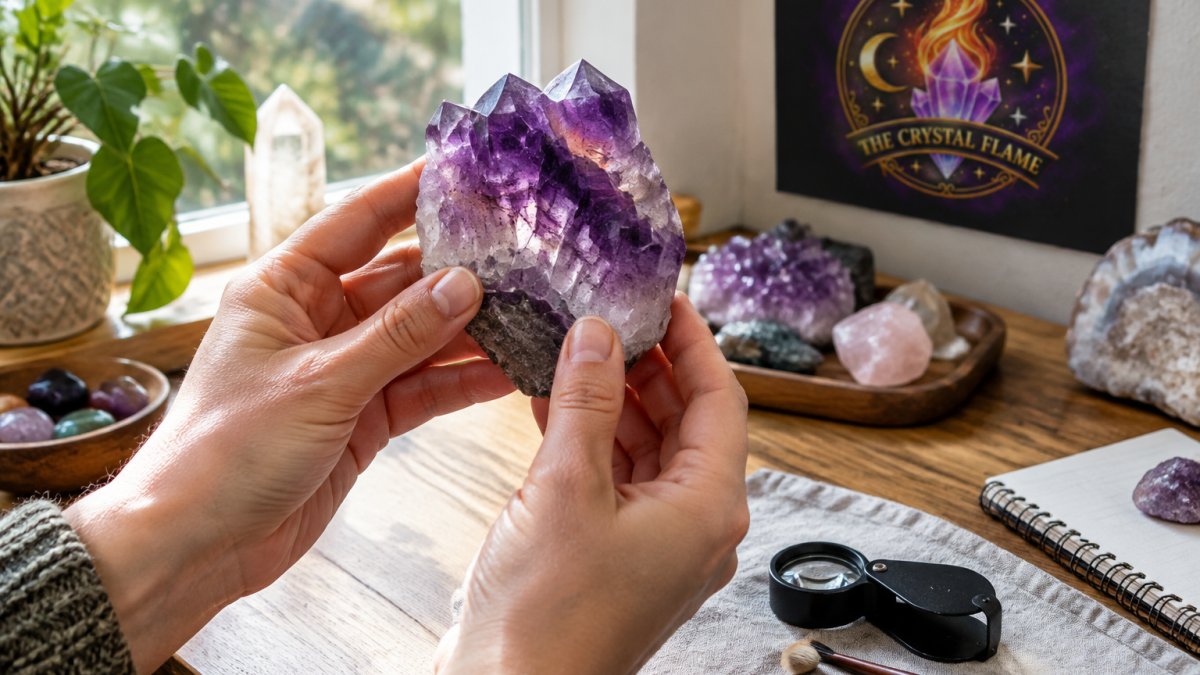
What each fake type looks like in a listing
Glass imitations look too perfect. They have no internal fractures, no color zoning, and no natural inclusions. Real mineral specimens almost always carry small flaws, and those flaws are your proof of authenticity. Resin fakes feel warm and light in the hand and often have a plastic sheen. Dyed crystals show color pooling in cracks; look closely at the images for darker pigment gathered in fractures, which is a giveaway.
Treatments and enhancements deserve their own vocabulary because they are not the same as fakes. Natural means the stone's color and clarity formed without human intervention. Heat-treated means the stone was heated to change color, a standard practice for amethyst and citrine. Dyed means color was added, often to quartz or agate. Coated means a surface layer was applied, sometimes to create a metallic or iridescent look.
A repeatable authenticity-checking workflow
Run this checklist before you pay for any crystal:
- Zoom into the listing photos and look for natural inclusions or fractures
- Check for color pooling in cracks, a sign of dye
- Compare the price against similar specimens; a deal that is too good usually is
- Read the description for treatment and origin disclosure
- Read seller reviews for complaints about misrepresentation
- Ask the seller a direct question about authenticity and keep the answer
- Confirm the return policy before checkout
Watch out: a listing that uses one stock photo for a whole batch, hides the return policy, or answers authenticity questions with vague reassurance is a listing to skip, no matter how good the stone looks in the image.
If a seller dodges any of these steps, walk away. For a deeper walkthrough, our guide on 7 ways to tell if crystals are fake before you buy covers each test in detail.
Where to Buy Authentic Crystals Online
Authentic crystals online come from sellers who show individual photographs, disclose treatments, and stand behind a return policy. That combination separates a reputable seller from a dropshipper reselling stock photos.
Look for a crystal shop that photographs each specimen individually rather than using one generic image for a whole batch. Ask about origin and mineral properties. A seller who can tell you where a stone was mined and how it was prepared is a seller worth trusting.
Reviews matter, but read them for substance. Buyers who mention accurate photos, careful packaging, and easy refunds tell you more than a five-star average. Buyer protection through your payment method adds a safety net if a listing turns out to be misleading.
Buying Crystals Online for Beginners: A Low-Risk Starting Plan
Buying crystals online for beginners works best with a small, low-stakes first order. Start with one or two affordable pieces so you can judge the seller's photos, packaging, and accuracy before committing more.
Pick a single intention for your first purchase. If you want calm and clarity, an amethyst is a natural starting point. Order one piece, compare it to the listing photos when it arrives, and note whether the color and size matched. That one order tells you everything about how a seller operates.
Before you check out, confirm the return window. Our article on the return policy for spiritual items explains what you can reasonably send back, so your first purchase carries little risk.
Ethical Crystal Sourcing and What Sellers Should Disclose
Ethical crystal sourcing means a seller can explain where a stone came from and how it reached them.
Ask sellers to disclose origin, treatment, and any enhancement applied to the stone. A reputable seller answers these questions without hesitation. Vague answers about "ethical sources" with no specifics are a warning sign.
If sourcing transparency matters to you, our guide on how to source ethically mined crystals walks through the questions worth asking.
The Real Cost of Buying Crystals Online vs Locally
The sticker price is only part of the cost. Online, you often pay less for the stone but add shipping, and many sellers offer free shipping above a threshold. Locally, you skip shipping but may spend on travel and pay a retail markup that covers store overhead. The useful comparison is total delivered cost against total in-hand cost, and the only way to see it clearly is to run the numbers on a specific purchase.
A worked total-cost comparison
Take a single tumbled stone listed online at $12.00 with $5.00 shipping and no free-shipping threshold met. Your delivered cost is $17.00 before tax. The same stone at a local shop might be priced at $18.00, but you also spend $4.00 in gas or transit and an hour of your time.
Tax works differently by channel and by state. Online sellers collect sales tax where they have economic nexus, which most established shops now do, so do not assume an online order is tax-free. Local purchases carry sales tax at the register.
Minimum order thresholds and free-shipping cutoffs change the math more than most buyers expect. A $35.00 free-shipping threshold can turn a $30.00 order into a $35.00 order once you add a filler item, which is fine if you wanted the filler and a loss if you did not.
Risk-adjusted buying by specimen type and budget
Online buying is most clearly worth it for inexpensive decorative pieces, tumbled stones, and common mineral varieties where the downside of a disappointing piece is small and the return policy covers you. It is less clearly worth it for high-value specimens, pieces you need to match to a room or an existing collection, and gifts where color and size must be right the first time. For those, in-person inspection or independent verification is usually worth the extra cost.
Price also signals quality. A specimen priced far below market often hides a treatment or an imitation. Our guide on 7 signs expensive crystals are worth the price helps you judge when paying more is the smarter buy.
Total cost of a tumbled stone: online delivered vs local in-hand
When Buying Locally Still Makes More Sense
Local shopping wins when you need certainty before you spend. If you are buying a high-value specimen, a gift, or a piece you want to match to a room, seeing it in person removes the guesswork.
Buy local when you want to inspect clarity and color under your own light, when you need the item today, or when you want a face-to-face conversation with someone knowledgeable. Beginners who feel nervous about fakes often do better starting at a local shop and moving online once they know what real stones look like.
For everyone else, online buying is worth it once you apply the checking routine above.
Start Your Crystal Collection With One Intention
The best way to begin is with one stone tied to one clear intention. That keeps your first purchase simple and lets you judge the seller on a single, low-cost order.
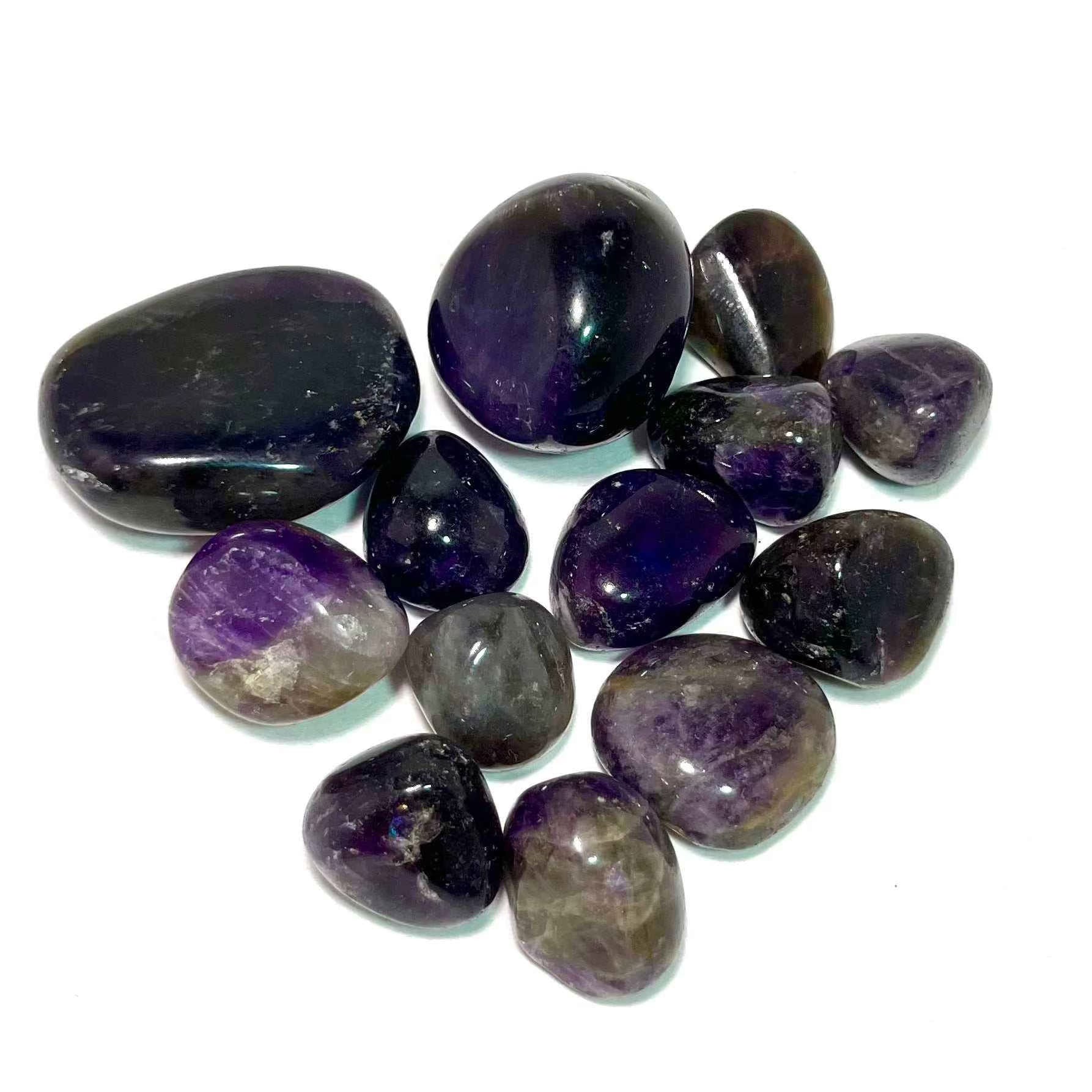
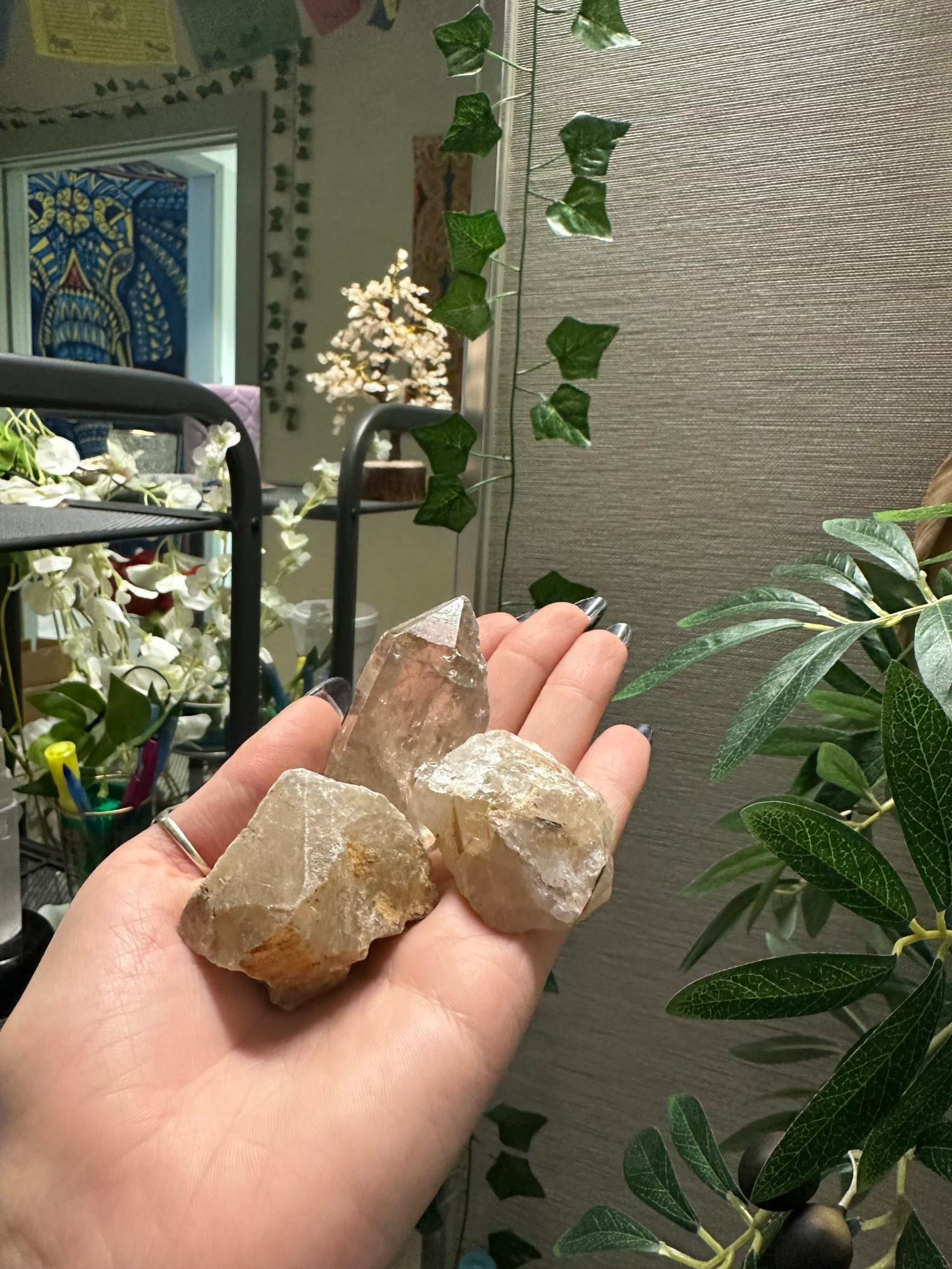
We recommend starting with our Amethyst Tumbled Pocket Stone at $4.95. If you want a rough specimen instead, our Rutilated Quartz Rough Pocket Stone at $9.00 is a rough pocket stone with natural inclusions.
For a broader start, our 54 PCS Witchcraft Kit at $30.00 bundles 14 natural crystals with herbs and candles for building an altar. Our collection includes over 700 mystical products chosen with intention, and we offer a free US shipping option.

Buying crystals online is worth it when you check the seller as carefully as the stone. The Crystal Flame curates over 700 mystical products, photographs pieces individually, and chooses every item with intention, so your first order arrives as described.
Frequently Asked Questions
Is it better to buy crystals in person or online?
It depends on what you value more. Buying in person lets you inspect weight, color, and surface condition before paying, which lowers authenticity risk. Buying natural crystals online gives you a far wider selection, often lower prices, and access to specific specimens a local shop may never stock. A practical middle path is to start online with one or two inexpensive pieces from a seller who photographs each item individually and publishes a clear return policy, then buy larger statement pieces in person once you know what you like.
How can you tell if a crystal is real when buying online?
You cannot test a stone through a screen, so judge the listing instead. Look for individual photographs of the exact item rather than a single stock image reused across a category. Read the description for origin, size in centimeters or grams, and any treatments disclosed. Ask the seller a direct question about the piece and see how specific the reply is. A seller who names the mine or region and admits when a stone is dyed or heat-treated is far more credible than one who claims every piece is flawless and untreated.
Are cheap crystals online worth buying?
Sometimes, if you match the price to the stone. A tumbled amethyst pocket stone at $4.95 is a reasonable entry point because the material is common and inexpensive. The risk rises with stones that are rare or heavily photographed: a large, vividly colored specimen priced far below market is usually dyed, glass, or resin. Set a rule for yourself: the cheaper the listing relative to the stone's known rarity, the more you should expect a treatment or an imitation, and the more you should rely on seller reviews and the return policy.
What should I check before ordering from an online crystal shop?
Check four things. First, whether the listing shows the actual piece with detailed images from more than one angle. Second, whether the seller discloses treatments, enhancements, and material origin. Third, what the return and refund policy says, including who pays return shipping. Fourth, whether reviews mention condition on arrival and how the seller handled problems. A shop that answers all four in plain language, and backs it with buyer protection, is a much safer bet than one with dramatic photography and no policy page.
